Fast Furniture Vs. Investment Furniture: The Hidden Cost of Buying Cheap.
We've all experienced it. You find the perfect dining chair, sofa, or light fixture online. The photos are beautiful, the reviews seem promising, and the price feels almost too good to pass up. A few weeks later it arrives...and reality sets in. The finish isn't quite right. The fabric feels thin. The drawers don't glide properly. Before long, the piece begins showing signs of wear that simply shouldn't exist in something you hoped would become part of your home for years to come.
As interior designers, one of the hardest conversations we have with clients isn't about choosing paint colors or selecting fabrics—it's explaining why two pieces of furniture that appear nearly identical can have dramatically different price tags. While there are certainly occasions where a budget-friendly find is absolutely the right choice, today's marketplace is increasingly filled with products that prioritize low prices over craftsmanship. Large-scale retailers such as Wayfair, Amazon, IKEA, and other fast-furniture brands often rely on rapid production cycles, lower-grade materials, and simplified construction methods to keep prices low and inventory moving quickly. While convenient, these pieces are rarely designed to last.
The old saying, "You get what you pay for," has never felt more relevant. Solid hardwood has been replaced with engineered materials. Durable joinery has given way to staples and cam locks. Performance fabrics that once lasted for years have been substituted with inexpensive textiles that pill, fade, or stretch after only a short period of everyday use. These differences may not be obvious in an online photograph, but they become painfully apparent once the furniture is part of your daily life.
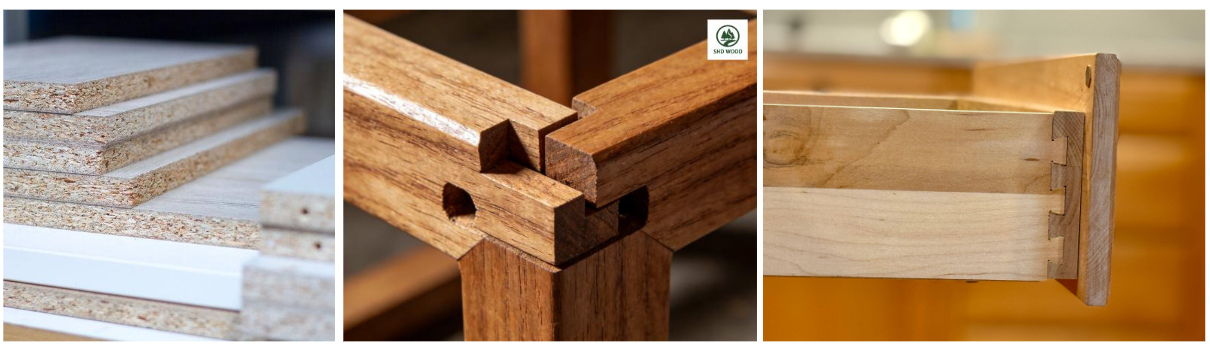
Ironically, purchasing the least expensive option often becomes the most expensive decision over time. Replacing a sofa every five years instead of every twenty isn't saving money—it's multiplying costs. Add in the frustration of warranties, delivery issues, repairs, and the inconvenience of shopping all over again, and that initial bargain quickly loses its appeal. Investing in quality pieces that are thoughtfully designed and well constructed usually provides greater value, comfort, and longevity than replacing inexpensive items again and again.
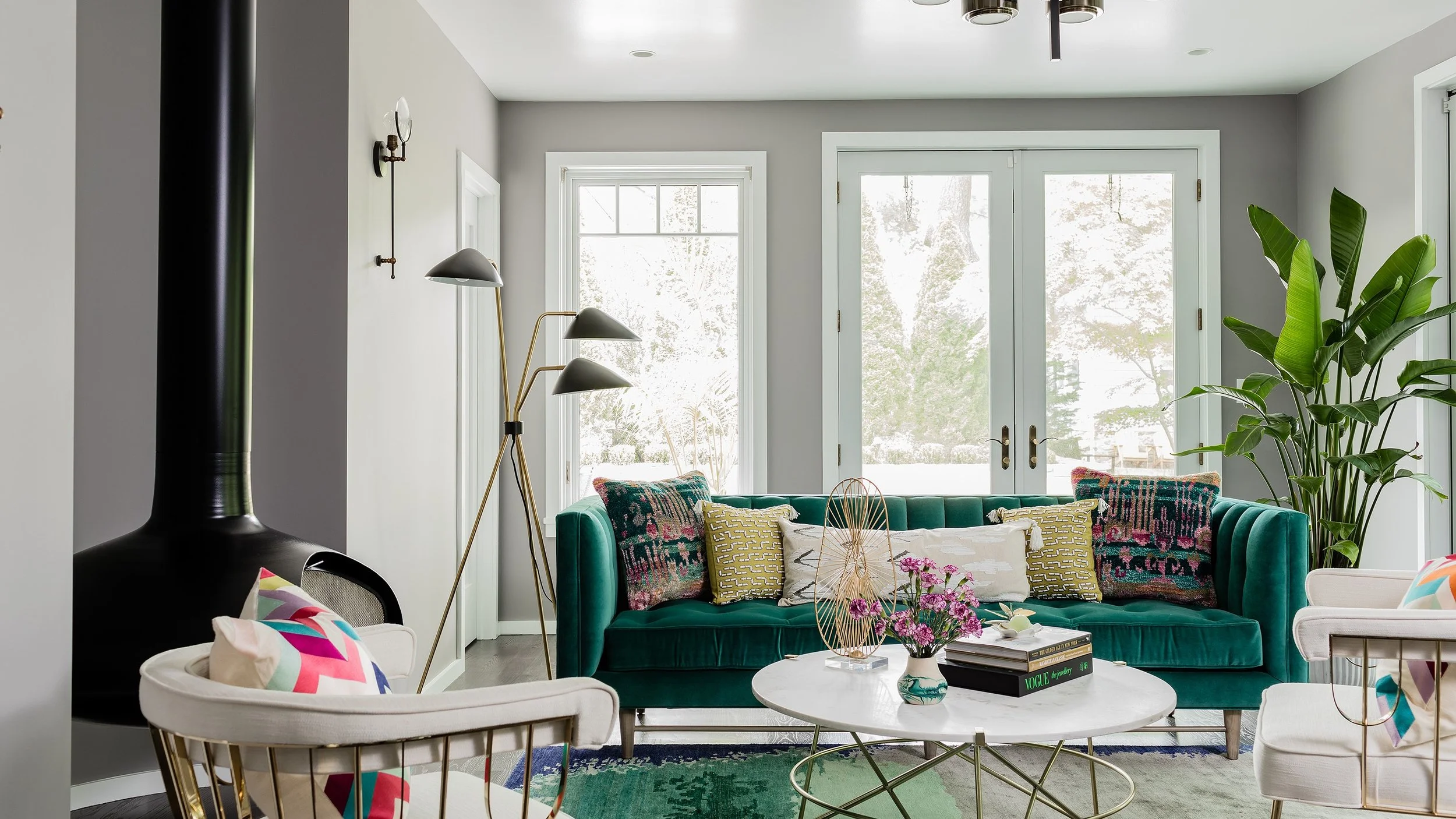

For those looking to invest more wisely, there are many mid-level to high-end retailers and specialty vendors that consistently deliver better craftsmanship and materials. Brands such as Room & Board, Crate & Barrel, Arhaus, and Lekker Home offer improved construction and more durable finishes compared to fast-furniture alternatives. For even higher quality and customization, retailers like Thos. Moser, Restoration Hardware, Blu Dot and Design Within Reach provide thoughtfully designed pieces built to last. Working with specialty vendors, local artisans, or trade-only showrooms can elevate quality even further, offering handcrafted furniture, superior materials, and customization options that simply aren't available through mass-market retailers.
One of our favorite approaches is encouraging clients to think about their homes the same way they think about building a wardrobe. A closet filled with a handful of beautifully made staples almost always outperforms one overflowing with disposable fashion. The same principle applies to interiors. A room doesn't need to be filled overnight. We'd much rather help clients purchase one exceptional dining table this year and wait for the perfect chairs than rush to furnish an entire room with pieces they'll soon regret. Great homes evolve over time, and that's part of what gives them personality.
A thoughtfully designed home isn't built on impulse purchases or fleeting trends. It's built on intentional decisions that reflect how you live today—and how you hope to live years from now. While quality furnishings often require a larger investment upfront, they reward you with beauty, comfort, reliability, and sustainability for decades to come. In a world where so many things have become disposable, choosing well-made pieces isn't just good design—it's one of the smartest investments you can make in your home.