Beyond Decor: Creating a Mindful Home with Living Greenery and Natural Rituals
Cultivating Mindfulness
In a world calibrated for speed — constant notifications, tight schedules, and endless digital input — the quiet presence of living plants inside the home offers something increasingly rare: permission to slow down. As interior designers, we often talk about balance, proportion, and light, but wellbeing is just as essential a component of a thoughtfully designed space. Caring for plants introduces a gentle rhythm into daily life. Watering, pruning, observing new growth, or simply noticing how light shifts across leaves throughout the day creates small rituals that reconnect us to the present moment.
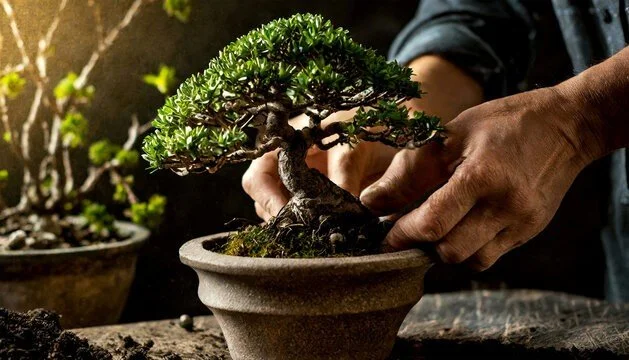
Scientific research continues to support what many plant lovers instinctively feel. Studies published in the Journal of Physiological Anthropology (Lee et al., 2015) found that interacting with indoor plants can reduce psychological and physiological stress compared to computer-based tasks. Similarly, the Royal Horticultural Society (RHS) has documented measurable improvements in mood and reduced anxiety associated with gardening and plant care. Watching something you nurture respond — unfurling a new leaf or recovering after repotting — offers a uniquely rewarding feedback loop. Growth becomes visible proof that patience and attention matter.
There is also something profoundly grounding about tending to living things in a fast-paced environment. Plants operate on natural time rather than human urgency. A fiddle leaf fig does not rush a new leaf because of a deadline; a fern cannot be hurried into fullness. Observing this slower cadence encourages mindfulness. Psychologists often describe this as “soft fascination,” a concept explored by environmental psychologists Rachel and Stephen Kaplan, where natural elements gently hold our attention and allow the brain to recover from mental fatigue.
Living Air Quality
It’s one thing for a room to look beautiful, but it’s even better when that beauty actually works for you! Beyond just the "mood boost" we get from a pop of green, plants are actually tiny, silent health advocates sitting on your shelves.
You’ve probably heard about the famous NASA Clean Air Study. While we shouldn't expect a single potted ivy to pull off the same feat as a high-tech air filtration system, those leafy roommates really do help scrub away certain airborne compounds. Even more impressive is how they act as nature’s own humidifiers. If you’ve ever dealt with that "dry-air" feeling during the winter when the heat is cranking, a few well-placed plants can make the air feel much softer and more comfortable.
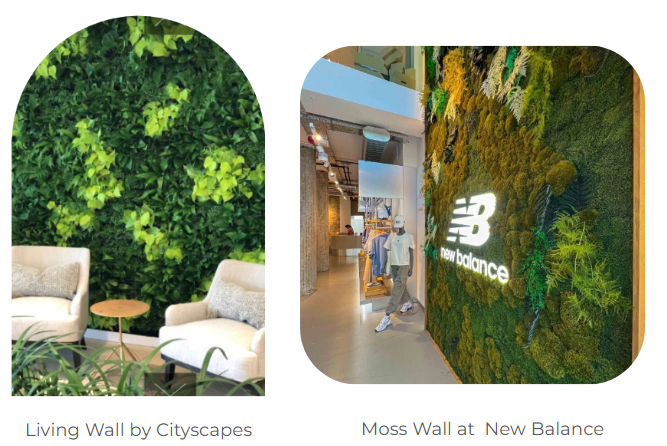
There’s a big, fancy term for this called “biophilic design,” but it really just means that humans have a natural, deep-seated need to be near nature. That’s why you’re seeing more greenery in hospitals, indoor malls, hotels, and modern offices lately—because when we bring the outdoors in, people genuinely feel better, more relaxed, recover faster, and stay more focused.
Think of your plants as more than just "decor." They are living infrastructure that helps you breathe a little easier and feel a lot more at home.
The Living Sculpture: The Design Power of Interior Plants
When you’re looking at a room that feels just a little "flat" or unfinished, plants are often the secret ingredient that brings everything to life. Think of them not just as greenery, but as one of the most versatile tools in your design kit. Because they come in such an incredible range of deep emeralds, silvery blues, and even moody burgundies, they offer a way to play with color and texture that you just can't get from a standard piece of furniture.
If you have a room with a lot of "hard" surfaces—like a sleek kitchen or a structured living area—a trailing pothos or a sculptural monstera acts as a natural softener. They introduce movement and a bit of organic soul into otherwise static spaces. Whether you’re tucking a tall rubber tree into a lonely corner to anchor the room or hanging a woven basket in front of a window to add some vertical interest, you’re essentially creating "living compositions" that change and grow with you.
How to Start Styling Your Space If you're ready to start using plants as a design element, here are a few encouraging ways to dive in:
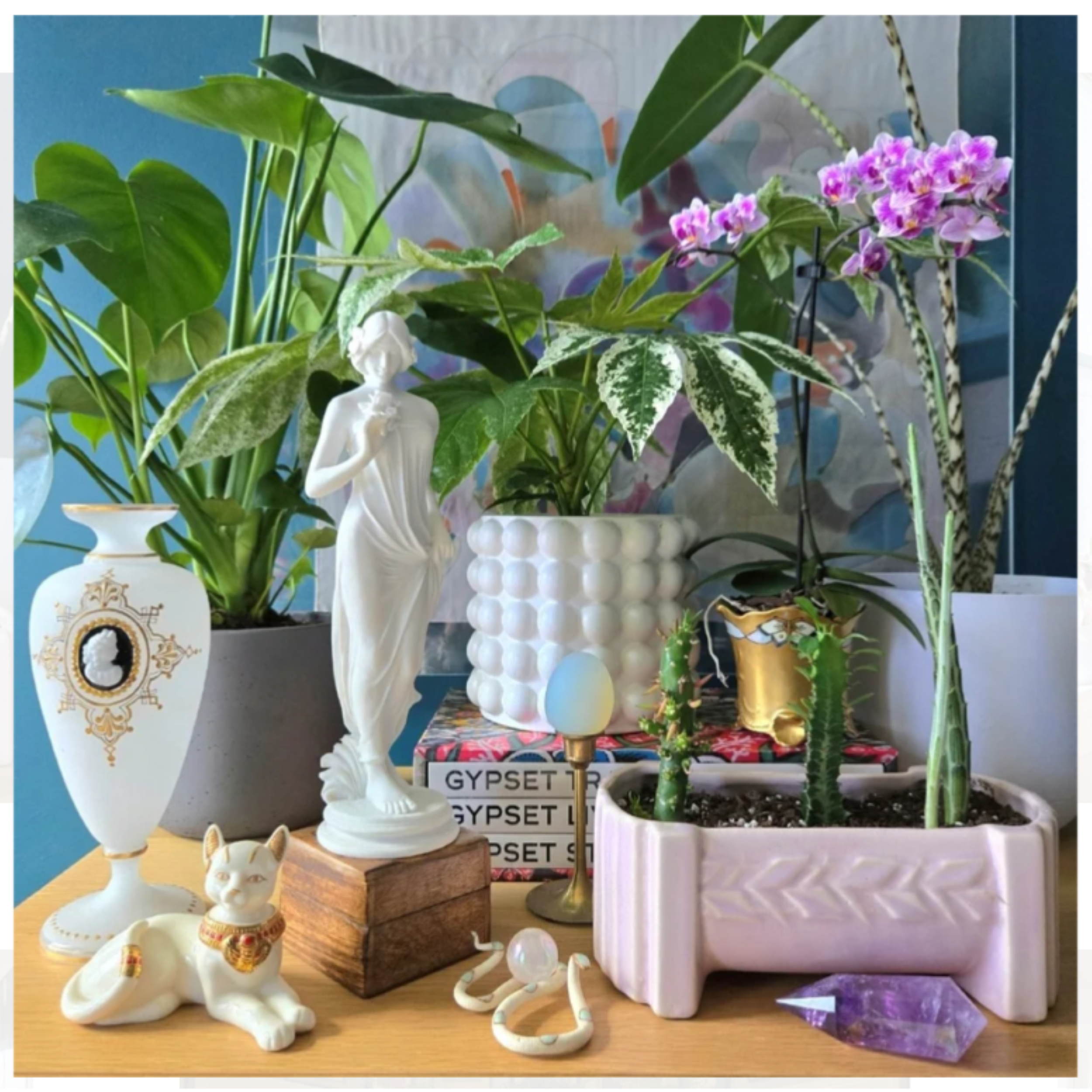
Create a Curated Vignette: Instead of scattering single plants everywhere, try grouping a few together on a tabletop or a shelf. Use a mix of heights and leaf shapes to create a little "moment" of visual interest. A space feels most lived-in when it tells a story. Don't let your plants sit in isolation; nestle them among your favorite treasures. The mix of lush foliage with the varied textures of crystals and well-loved books adds the kind of visual soul that makes a house feel like a home.
The Power of the Pot: This is where you can really let your personality shine. Don't feel restricted to standard terra cotta! Look for eclectic vintage pots or unique ceramics to add warmth. A modern kitchen island looks instantly more inviting when paired with a cluster of weathered, found vessels.
Think Big for Impact: If you have an empty entryway or a landing that feels a bit hollow, go for an oversized planter. A single, large-scale plant like a Fiddle Leaf Fig or a Bird of Paradise acts like a piece of living sculpture—it’s an essential furnishing rather than just an accessory.
Layer Your Heights: To make a room feel professional and "designed," try to place plants at different eye levels. Put one on the floor, one on a side table, and hang one from the ceiling. This draws the eye up and around the room, making the entire space feel more immersive.
Unlike a static painting or a vase, these "living sculptures" evolve with the seasons. They reward the time you spend with them by unfurling new leaves and subtly changing the vibe of your home throughout the year.
A Quick Styling Tip
Combining vintage finds with modern lines is exactly where the magic happens in interior design. It creates a space that feels curated over time rather than just "bought" from a showroom. When you’re out at flea markets or antique shops, don't worry if a vessel isn't "watertight." You can always keep your plant in its plastic nursery liner (which is better for drainage anyway!) and simply drop it into the vintage find. This makes it much easier to swap plants around as they grow or as your design "evolves with the home
Collectibilty, Enthusiasts, & Conventions
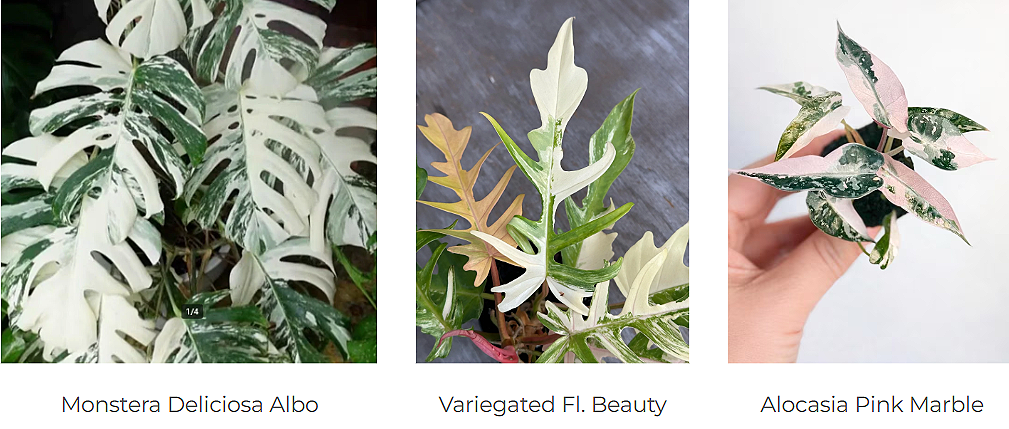
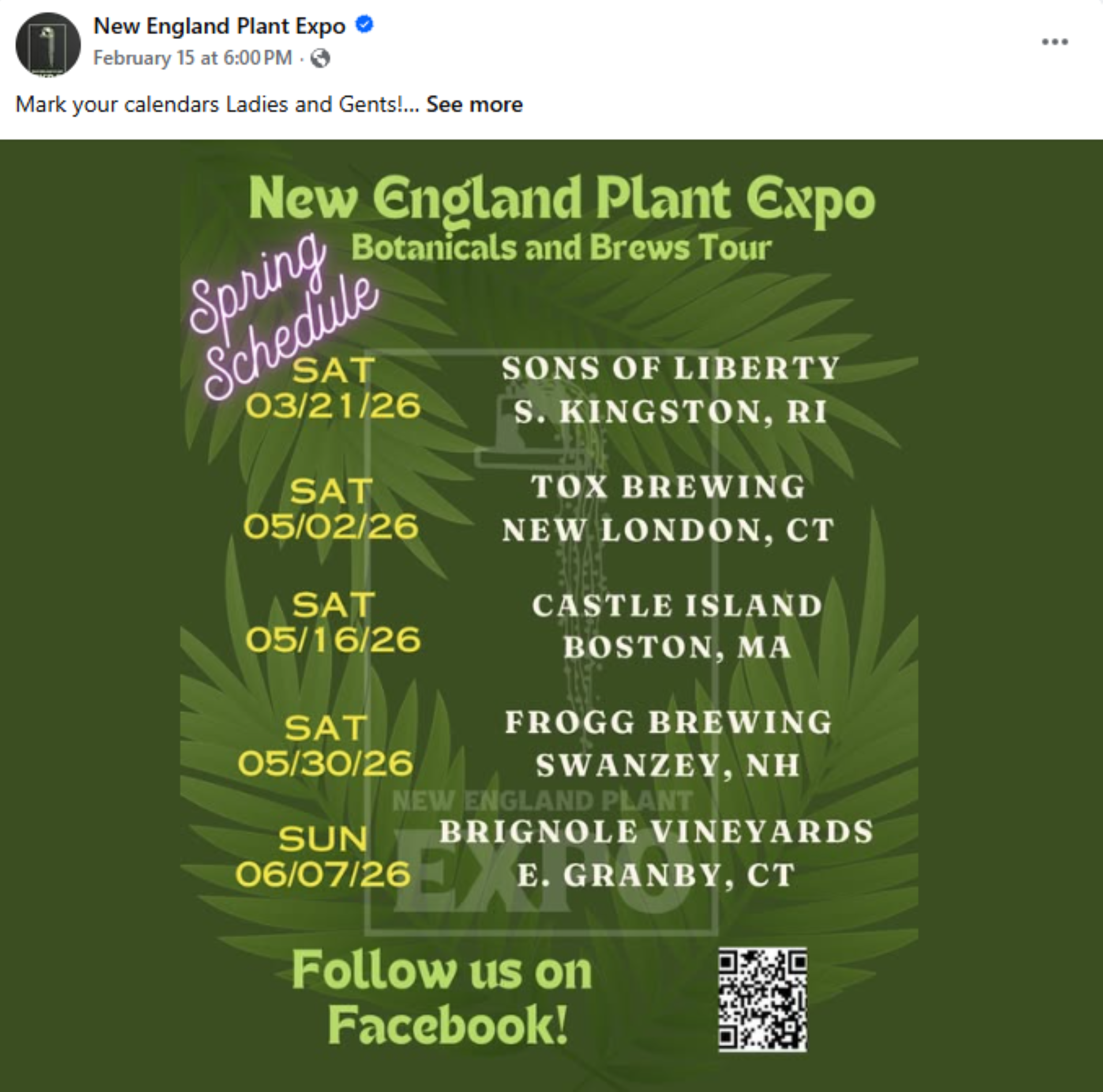
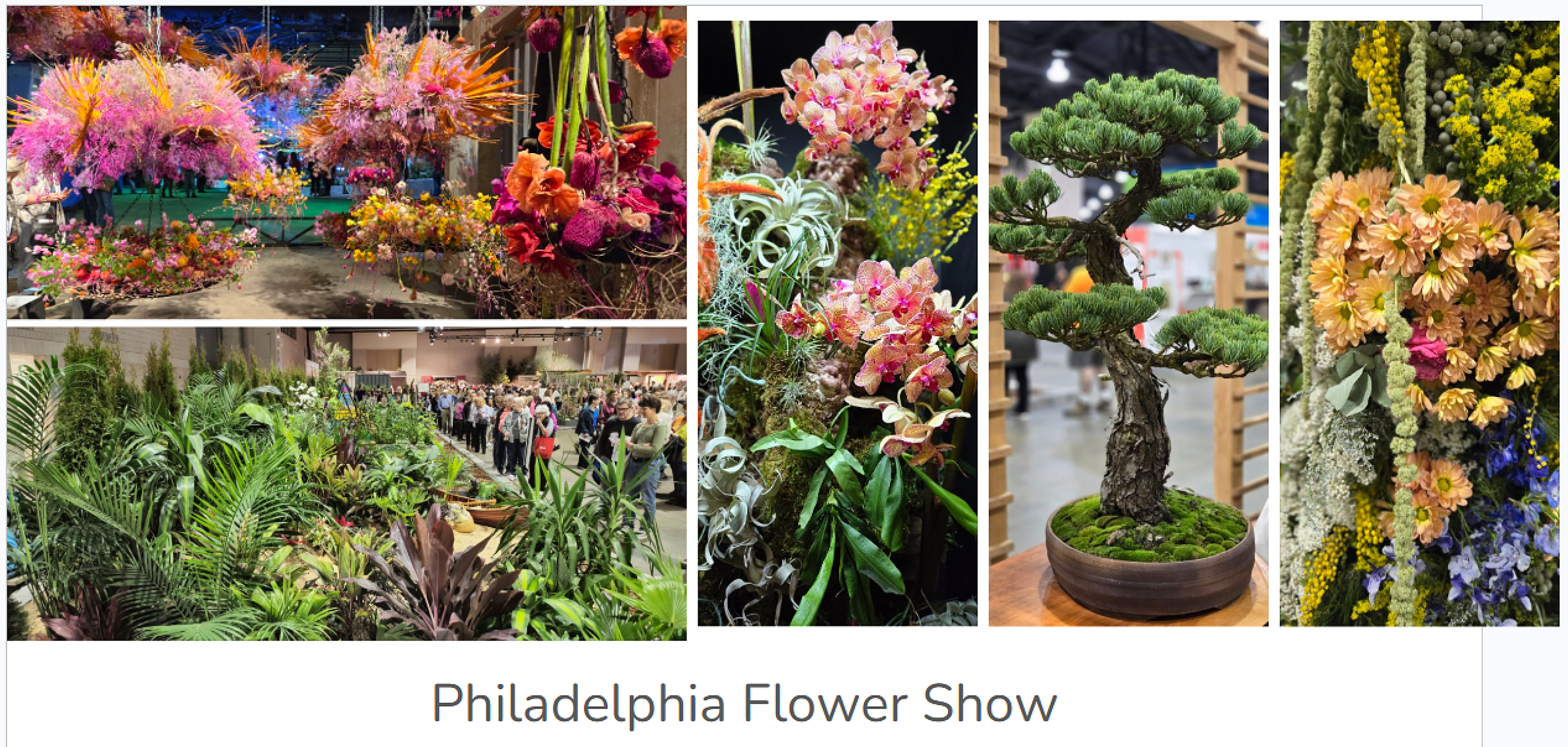
Since the days of Covid-19 lockdowns, interest in plants has surged dramatically. Many people rediscovered comfort and creativity through indoor gardening during extended time at home, and that enthusiasm has not faded. Collecting rare and exotic species from around the world is now at an all-time high, fueled by online communities and specialty growers. Plant conventions and enthusiast expos have grown rapidly as collectors seek education, community, and access to unusual specimens. In the United States, notable 2026 events expected to attract enthusiasts include the Tropical Plant International Expo (TPIE) in Florida, The Philadelphia Flower Show (which we had the pleasure of attending in 2024), Northwest Flower & Garden Festival in Seattle, and regional specialty aroid and orchid society conventions hosted throughout the year by organizations such as the American Orchid Society and International Aroid Society. These gatherings reflect a growing cultural shift toward plants as both hobby and lifestyle. Locally, here in Boston, Ma., we've enjoyed attending the traveling New England Plant Expo, where we purchased some highly sought after and coveted plants, such as a Monstera Deliciosa Albo, a Variegated Philodendron Florida Beauty, and an Alocasia Pink Marble.
The Soundtrack of Growth: Why Your Interior Design Needs a Botanical Playlist
The theory that your calathea might actually have a favorite playlist isn’t just folklore; it’s rooted in the science of sound vibrations. Research into plant acoustics suggests that certain frequencies can stimulate the movement of cytoplasm within plant cells, potentially boosting metabolism and nutrient intake. When exposed to rhythmic sound waves—typically in the range of 115Hz to 250Hz—the vibrations can mimic natural environmental cues, signaling the plant to strengthen its cellular structure and activate root expansion. This biological response, often called "phonotropism," suggests that the right melody might do more for your greenery than just setting a mood; it could literally be the fuel for its next growth spurt.
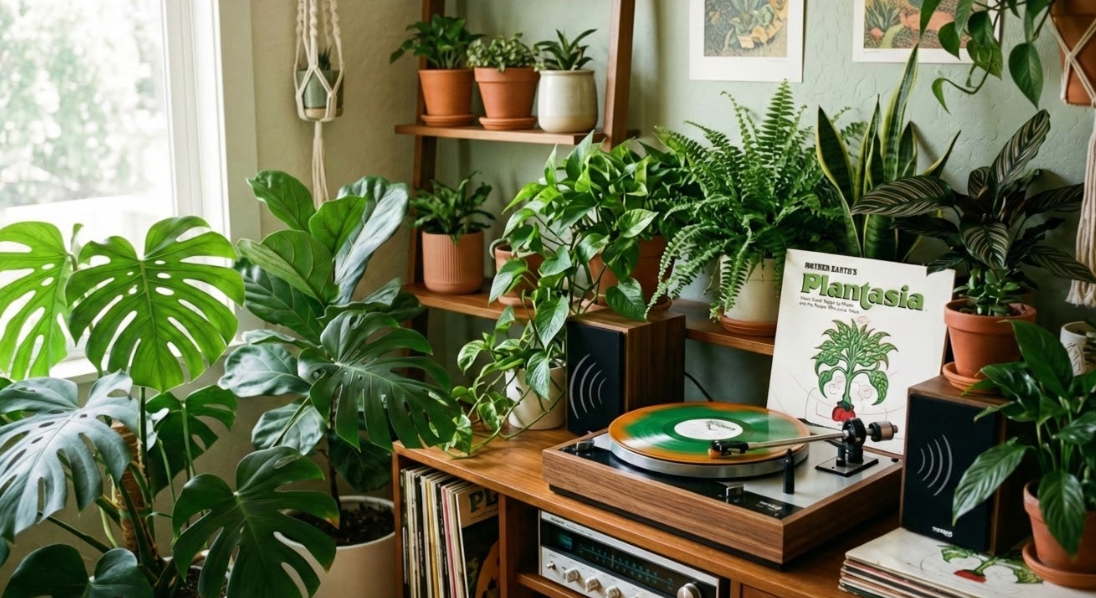
No discussion of botanical soundtracks is complete without mentioning the cult-classic album Mother Earth’s Plantasia, released in 1976 by electronic pioneer Mort Garson. At the time, the "plant parent" craze was hitting its first major peak, fueled by the best-selling book The Secret Life of Plants. Garson, inspired by the idea that greenery thrived on specific harmonic textures, used a Moog synthesizer to craft a series of lush, whimsical soundscapes designed specifically for plants and the people who love them. Originally, the record was an exclusive giveaway for customers who purchased a houseplant from "Mother Earth" on Melrose Avenue in Los Angeles or bought a Simmons mattress (hence the "lush" vibes).
Today, Plantasia has grown from a quirky relic of the seventies into a masterpiece of the ambient genre. Its warm, analog pulses are more than just kitsch; they provide a consistent, soothing frequency that avoids the jarring percussive spikes that can stress plant tissue. By integrating a turntable or a high-quality speaker into your plant nook, you aren't just decorating with sound—you're creating a resonant ecosystem. Whether it’s Garson’s synth-magic or gentle classical compositions, the right audio environment acts as a "sonic fertilizer," encouraging your indoor jungle to reach toward the light with a bit more rhythm.
Start small, grow slow.
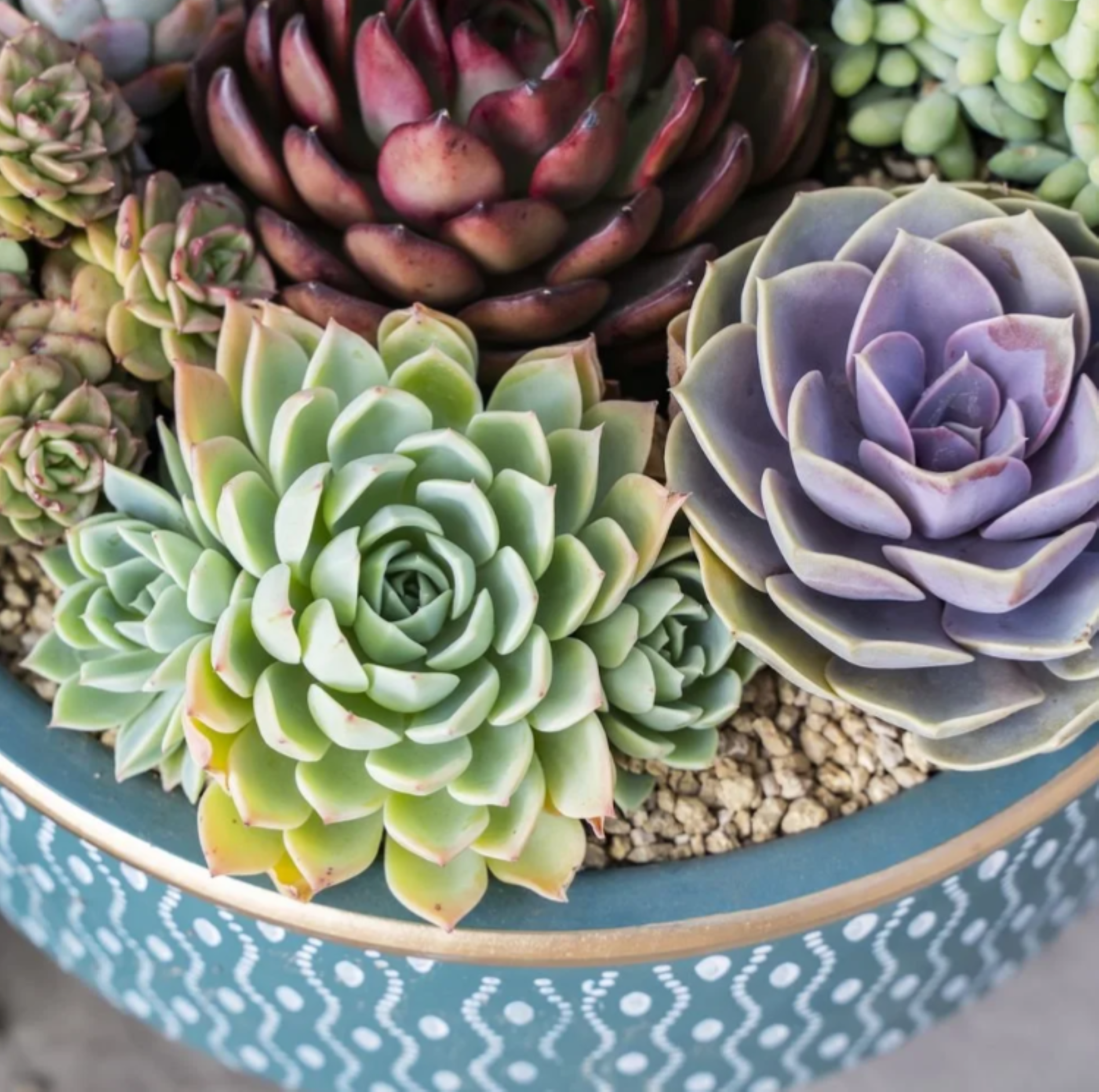
If you’ve ever felt that you simply don’t have a green thumb — or perhaps you’ve lost a few plants along the way — take heart. Success with plants is rarely about talent and far more about choosing the right species for your environment. Many varieties thrive in low light conditions and require minimal watering, including snake plants, ZZ plants, pothos, cast iron plants, succulents & cacti. There truly is a plant for every skill level, schedule, and home. Start small, observe what grows well where you live, and allow the process to unfold naturally. Sometimes the greatest luxury in design — and in life — is learning to nurture something slowly and watching it flourish alongside you.
The Expert’s Edit: Our Top 4 YouTube Channels for Houseplant Wisdom
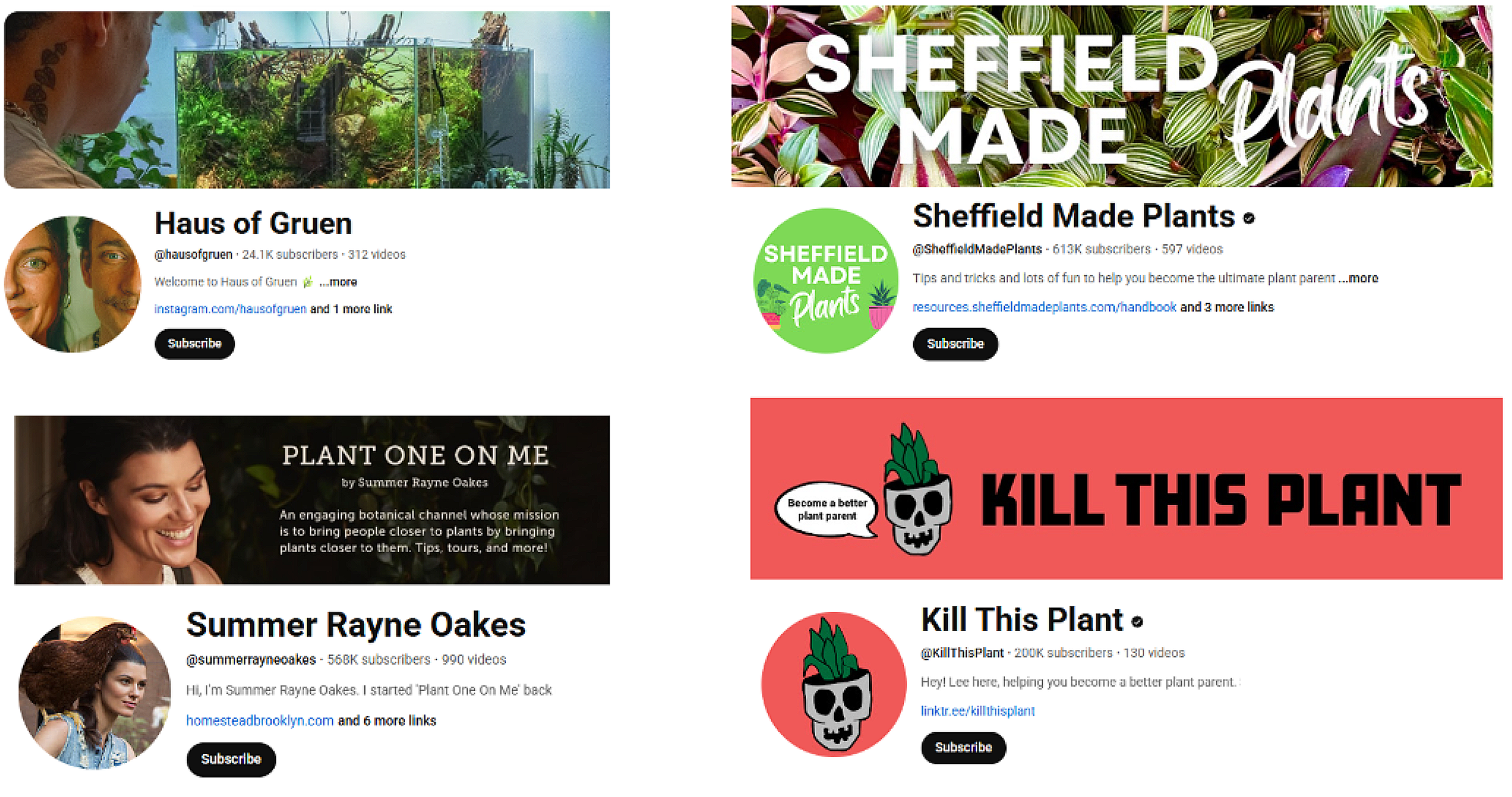
These four YouTube channels are our absolute favorites—they are informative, incredibly relaxing, and they keep our passion for horticulture blooming every single day. We invite you to explore them; let them plant a seed of inspiration in your heart and mind, and help you fully embrace the beautiful, positive joy of living with plants.
Our favorite Plant Shops, Greenhouses & Nurseries within 90 minutes of Boston.
(in no preferred order)
Mahoney’s Garden Center (7 locations throughout Ma.)
Ricky’s Flower Market, Somerville, Ma.
Brigg’s Garden & Home, North Attleboro, Ma. (side note, they have a beautiful and tasty cafe!)
McCue Garden Center, Woburn & Billerica, Ma.
Green Haus Cafe, Roxbury, Ma. (Great food, and plants perfectly sized for city living.)
Sprout curated by Cityscapes, Downtown Boston
Boon Plant Bar, Boston, Ma.
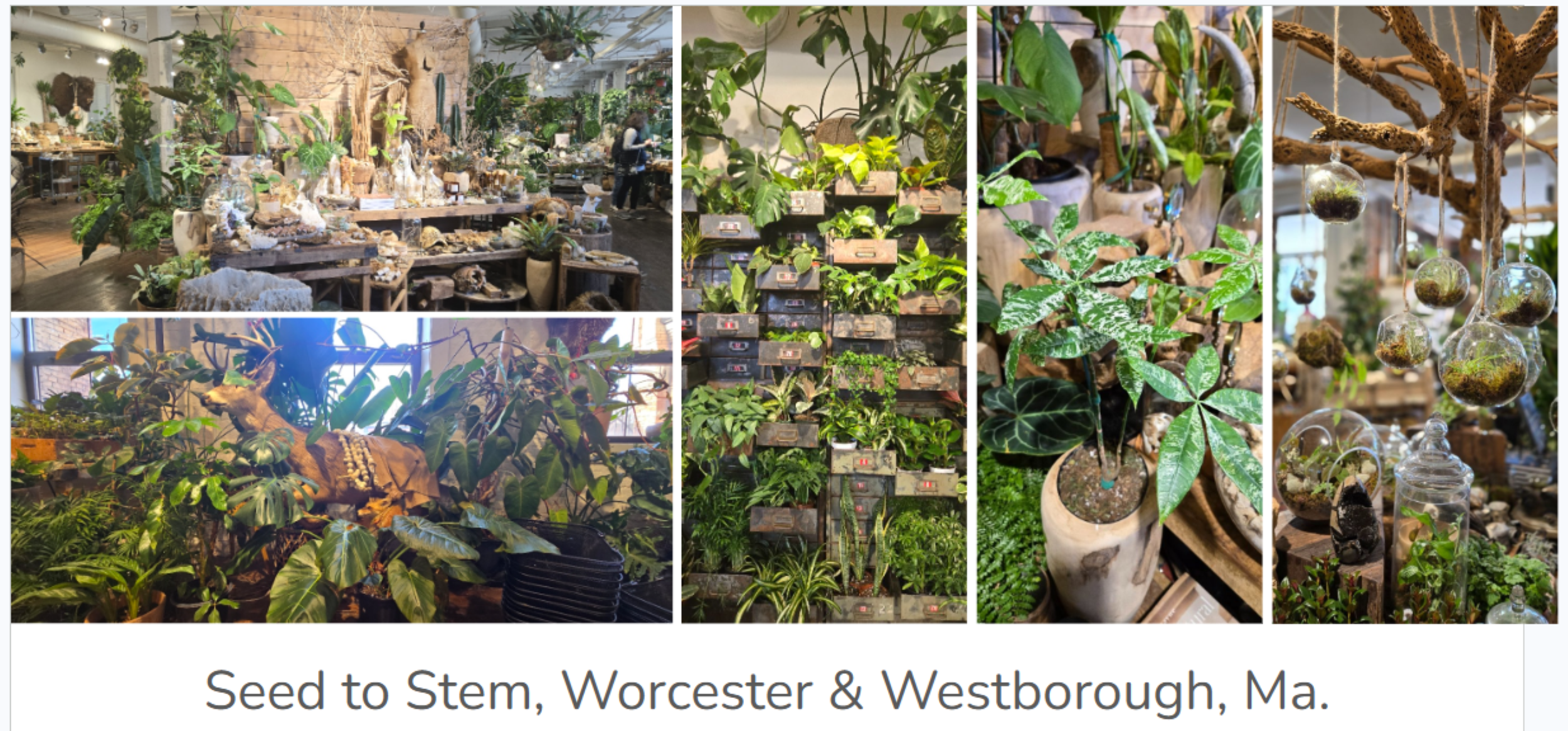
Seed to Stem, Worcester and Westborough, Ma.
Russell’s Garden Center, Sudbury, Ma.
Oak + Moss, Salem, Ma.
Terrarium, Portland, Me. (107 minutes from Boston, but worth every minute!)
The Green Library: 3 Must-Have Books for the Modern Plant Parent
These three coffee table books—Indoor Jungle, Plantopedia, and Wild Creations—serve as the ultimate visual and practical guide for any aspiring urban gardener. They offer a stunning blend of high-end photography and expert care tips, transforming complex botanical facts into accessible advice for maintaining a thriving indoor oasis. Whether you are looking for styling inspiration from Hilton Carter or a comprehensive encyclopedia of species from Lauren Camilleri and Sophia Kaplan, these titles provide the perfect balance of aesthetic beauty and horticultural wisdom.